
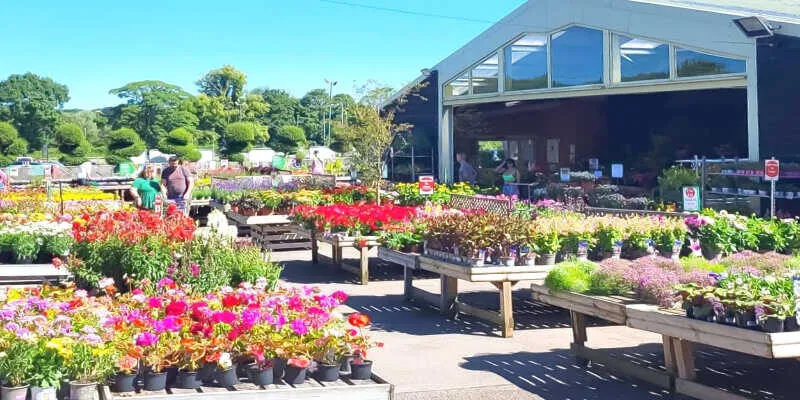
Public gardens in Nottingham offer an outstanding network of beautifully maintained environmental sanctuaries where local city residents escape busy commercial routines effortlessly. These magnificent municipal green zones combine historic architectural layout elements with modern ecological landscape engineering to establish stable, highly diverse urban plant habitats. By cultivating pristine collections of native perennial flowers and mature woodland trees, these scenic spaces secure the long-term greening visions organized across Nottingham In Bloom.
Exploring the historical heritage found within primary public gardens in Nottingham
The structural architecture of local municipal parklands reflects a deep historical dedication to public wellness and botanical science innovation. These long-standing open spaces offer citizens exceptional opportunities to observe rare regional vegetation lines changing beautifully across seasons.
Discovering the Victorian charm of the Nottingham Arboretum
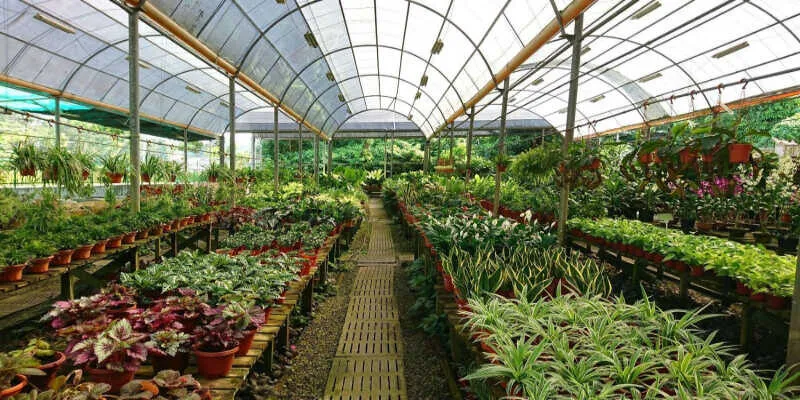
This central green oasis stands as the oldest designated municipal parkland zone, featuring a beautifully preserved landscape layout dating back to the mid-nineteenth century. Visitors walking along these historic gravel pathways explore majestic tree collections within some of the finest public gardens in Nottingham available today. The rolling lawns house over eight hundred distinct specimen trees alongside traditional rose beds and an iconic heritage bandstand structure.
Appreciating the exotic plant collections at Woodthorpe Park
Situated in the northern suburban districts, this expansive municipal estate boasts magnificent formal geometric flowerbeds that showcase incredible carpet bedding artistry each summer. Enthusiasts frequently visit this specific site to admire the public gardens in Nottingham that feature an attached tropical conservatory greenhouse network. Walking through these warm glass structures provides residents with an immersive look at rare succulents and unusual international flora.
Relaxing within the quiet walled enclosures of Wollaton Hall
The grand Elizabethan mansion house is surrounded by extensive formal grounds that contain hidden, carefully structured floral plots tucked behind traditional red brick walls. These beautiful enclosures provide a safe home for the public gardens in Nottingham that specialize in cultivating traditional British cottage perennials. Walking along these tranquil borders offers a highly peaceful sensory experience enriched by the deep aroma of old-fashioned climbing roses.
Uncovering modern eco friendly urban design practices in public gardens in Nottingham
Contemporary landscape architects continually upgrade municipal green zones to incorporate advanced ecological engineering frameworks that protect limited environmental resources.
Implementing advanced automated rainwater collection networks
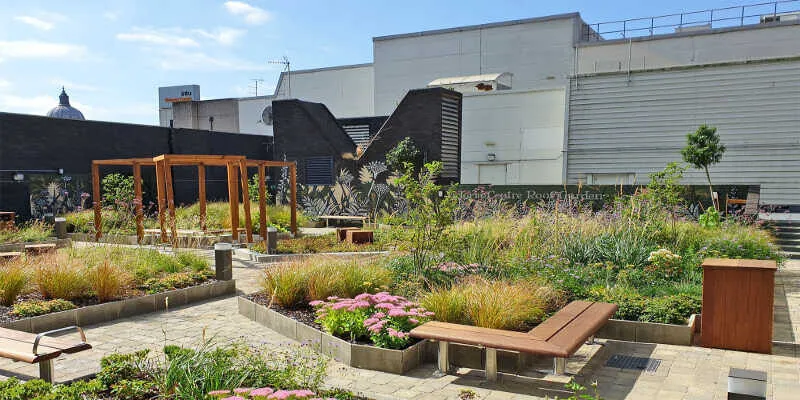
Sustaining vast, vibrant floral beds during dry summer months demands highly responsible municipal water conservation strategies across all active city center sites. Modern structural renovations built into major public gardens in Nottingham utilize hidden subterranean drainage channels to harvest surface stormwater during heavy cloudbursts. This pure, untreated moisture is stored in large underground reservoirs to drive automated, low-evaporation irrigation lines daily.
Creating rich biofiltration zones using native marginal reeds
Installing shallow, plant-filled retention basins along public pathways helps purify urban street runoff naturally before moisture enters deep groundwater channels. Engineers designing modern public gardens in Nottingham integrate specialized wetland plants like yellow irises to trap suspended metallic heavy elements efficiently. These functional aquatic systems maintain clear pools without requiring artificial chemical additives or expensive motorized mechanical filters.
Expanding vertical green walls on public infrastructure barriers
Maximizing organic biomass inside dense commercial shopping districts involves utilizing vertical concrete structures that traditionally create visual monotony along pedestrian pathways. Innovative projects within the public gardens in Nottingham framework feature climbing ivy networks that cover bare parking facility walls completely. These living green installations absorb high amounts of airborne dust particles while lowering surrounding concrete temperatures significantly.
Restoring critical regional wildlife biodiversity within public gardens in Nottingham
Civic green zones do not merely deliver exceptional aesthetic values; they serve as critical biological links that save threatened animal populations from industrial displacement.
Establishing extensive native wildflower pollinator corridors
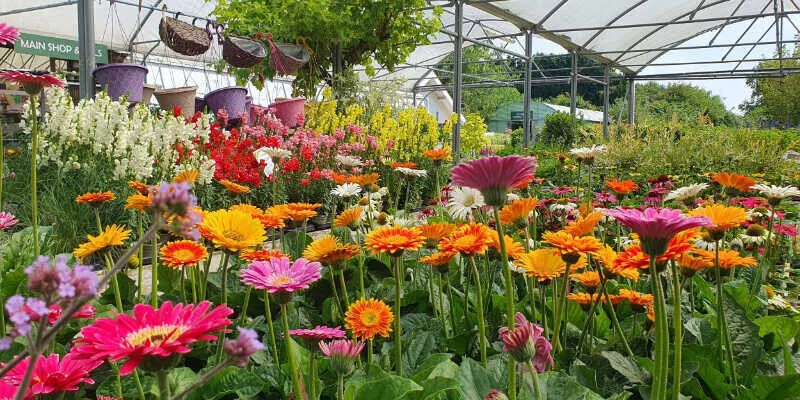
The rapid expansion of concrete commercial properties often deprives beneficial honeybees and wild butterflies of the abundant nectar supplies needed for winter survival. Dedicated groundkeepers manage specialized zones inside modern public gardens in Nottingham by sowing expansive belts of traditional British meadow cornflowers. These colorful botanical strips allow essential pollinating insects to travel securely across highly industrialized neighborhood boundaries.
Preserving dense woodland canopies for local songbirds
Mature oak trees and managed hawthorn hedgerows offer crucial nesting habitats for native bird species facing urban habitat pressures. Strategic conservation efforts implemented inside public gardens in Nottingham preserve these undisturbed woodland thickets from aggressive commercial land clearing initiatives. Listening to wild birdsong within these public parks provides commuters with immense therapeutic mental relief during stressful days.
Nurturing microscopic underground soil organism networks
Avoiding harsh chemical weedkillers allows billions of helpful subterranean bacteria to process organic leaf litter completely naturally beneath public flowerbeds. Groundkeepers caring for active public gardens in Nottingham utilize organic leaf mold compost to nourish the topsoil without disturbing deep root layers. This organic soil management preserves natural earthworm habitats, ensuring that the ground remains fertile for future generations.
Enhancing community social connectivity and health through public gardens in Nottingham
Shared municipal green spaces possess immense transformative power, bringing diverse groups of passionate local residents together for rewarding outdoor educational activities.
Eradicating modern urban isolation through allotment initiatives
Working side by side in community planting zones encourages lonely citizens to forge strong, supportive friendships with their immediate neighbors. Public workshops hosted within public gardens in Nottingham provide welcoming social environments where people of all ages share traditional agricultural skills. This cross-generational integration ensures that valuable plant cultivation knowledge passes down smoothly to younger metropolitan growers.
Lowering regional medical expenditures via therapeutic outdoor exercise
Engaging in regular low-impact physical activities like walking along flower-lined paths significantly boosts cardiovascular strength and increases muscular flexibility. Accessible designs built into major public gardens in Nottingham encourage sedentary populations to swap indoor screen time for fresh air. Spending time surrounded by beautiful natural colors reduces blood pressure metrics naturally, lowering dependencies on clinical healthcare facilities.
Inspiring younger school generations through interactive nature classes
Partnering with local primary schools allows civic educators to host practical environmental science field trips inside protected municipal garden zones. Children visiting various public gardens in Nottingham gain valuable hands-on experience identifying diverse insect species and sowing heirloom seeds. This early exposure instills a deep, lifelong respect for planetary preservation inside modern young minds.
Conclusion
Public gardens in Nottingham continue to serve as indispensable pillars of environmental sustainability, social integration, and historical preservation across our changing city. By incorporating advanced rainwater harvesting engineering, expanding essential wildflower pollinator corridors, and offering free therapeutic nature access, these spaces drive real social progress. Exploring these pristine floral sanctuaries allows every community member to connect deeply with mother nature, beautifully safeguarding the green legacy of Nottingham In Bloom.