
Autumn gardening guide content on Nottingham in bloom is designed to help local gardeners prepare beds, borders, and balconies for cooler weather while still supporting urban biodiversity. As temperatures drop and daylight shortens, smart planning now will protect soil health, extend flowering, and reduce winter losses. This homepage overview brings together practical, research-based advice you can apply in any Nottingham neighbourhood garden.
Why an autumn gardening guide matters for Nottingham
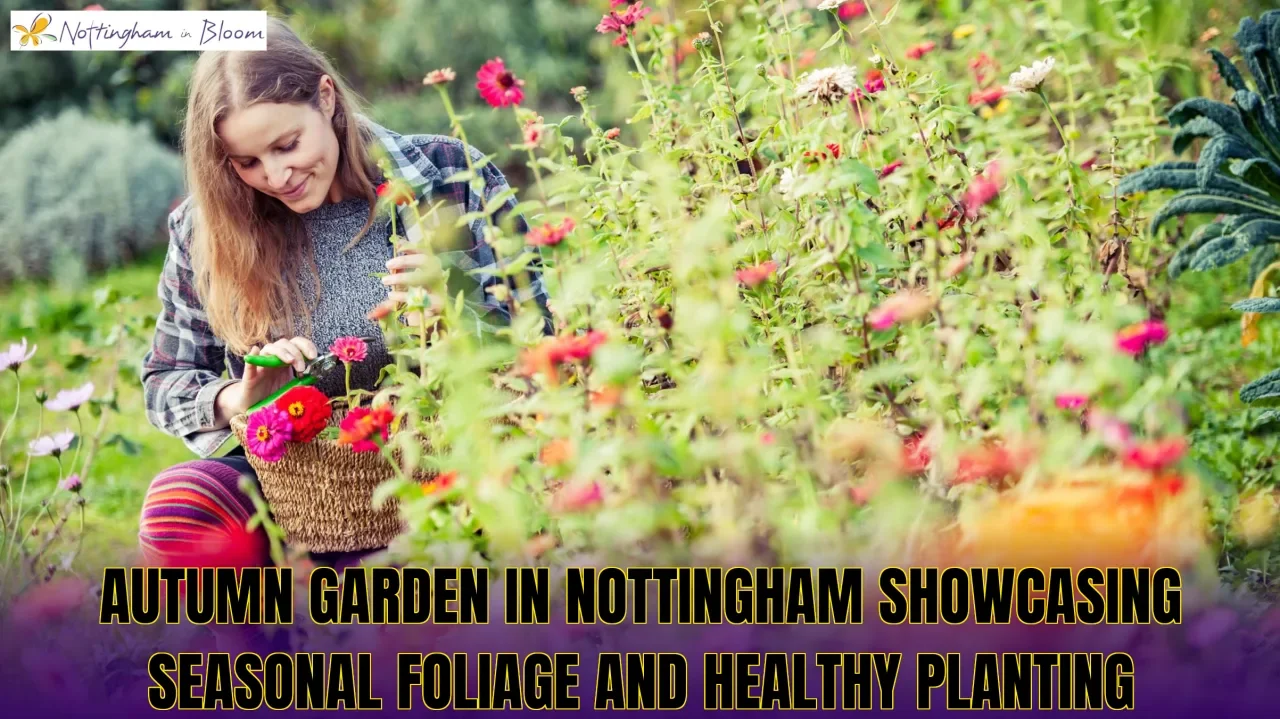
An effective autumn gardening guide helps you read the local climate, protect perennials, and plan colour right through to early winter. In Nottingham, milder Octobers and wetter Novembers are already changing planting calendars and pest cycles. Nottingham in bloom aims to translate this evolving data into clear, seasonal actions for home gardeners, community plots, and school gardens across the city.
Understanding local climate and first frosts
A reliable autumn gardening guide must start with timing. Nottingham’s first light frosts usually appear from late October to mid‑November, but cold snaps can now arrive abruptly after mild spells. Monitor 10‑day forecasts, soil temperature, and night‑time lows around 2–3°C. This helps you decide when to lift tender plants, move containers, or add fleece, rather than relying on fixed dates that no longer match current weather patterns.
Soil health as the foundation for next spring
Healthy soil is the engine behind every successful autumn gardening guide. After summer cropping, test structure by checking if beds drain within 24 hours after heavy rain. Incorporate 5–7 cm of well‑rotted compost or leaf mould to improve organic matter and moisture retention. Avoid digging wet clay to prevent compaction. These steps feed soil biology through winter, so roots establish faster when growth accelerates in March and April.
Supporting wildlife in the autumn transition
A city‑focused autumn gardening guide also considers birds, pollinators, and beneficial insects. Leave some seed heads on sunflowers, echinacea, and teasels for finches and sparrows. Build small log or twig piles in quiet corners to shelter beetles and solitary bees. By avoiding excessive tidiness, you create micro‑habitats that keep natural predators active, which reduces aphid and slug pressure next spring without relying on chemicals.
Autumn gardening guide for planting, pruning and colour
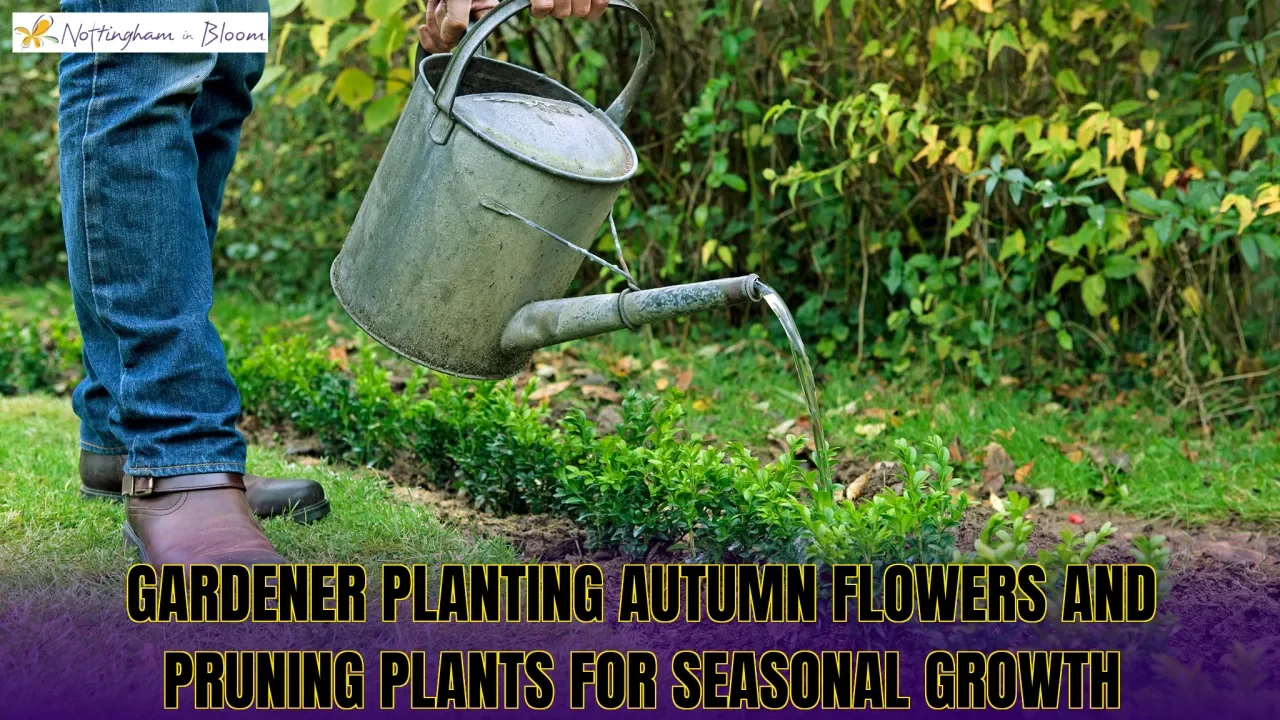
This section of the autumn gardening guide explores which plants to add, what to prune, and how to keep visual interest as days shorten. Gardeners in Nottingham can still plant trees, shrubs, and hardy perennials well into November if soil is workable. Nottingham in bloom encourages choices that balance aesthetic impact with resilience to wetter winters and occasional late frosts.
Best plants to put in the ground this season
A data‑led autumn gardening guide prioritises root growth over top growth. Autumn is ideal for planting bare‑root hedging, fruit bushes, and spring‑flowering bulbs. Choose disease‑resistant apple and plum varieties suited to the East Midlands. Mix narcissus, crocus, and allium bulbs at different depths for staggered flowering. The still‑warm soil and regular rainfall help roots establish before true winter dormancy sets in.
Smart pruning for structure and safety
Every practical autumn gardening guide separates essential pruning from jobs best left until late winter. Remove dead, diseased, or crossing branches from shrubs and small trees to reduce wind damage. Cut back herbaceous perennials that have fully collapsed, but keep structurally strong stems for frost interest. Avoid heavy pruning of spring‑flowering shrubs now, or you risk removing next year’s buds and losing blossom displays.
Keeping gardens colourful into early winter
A well‑planned autumn gardening guide never accepts a dull, brown garden. Use pansies, violas, cyclamen, and ornamental kales in containers for reliable late‑season colour. Combine them with evergreen grasses and small conifers to add texture and height. In borders, rely on late‑flowering asters, sedums, and Japanese anemones, which continue feeding pollinators during warm spells that increasingly occur in November.
Autumn gardening guide to lawn care, leaves and containers
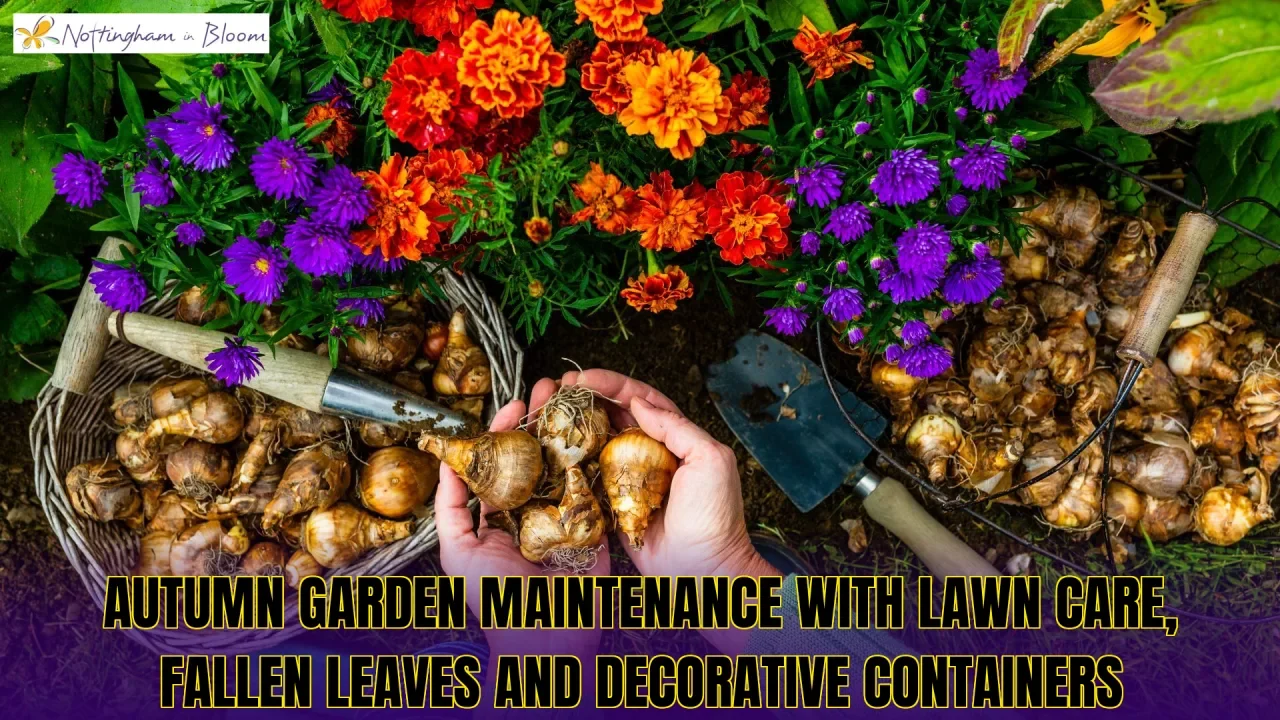
Another focus of this autumn gardening guide is how to handle lawns, fallen leaves, and container displays in compact urban spaces. Many Nottingham gardens are small, paved, or shaded by mature trees. With the right approach, these constraints can become opportunities to build richer soil and create low‑maintenance, attractive corners that look good from the street.
Reviving and protecting lawns
A targeted autumn gardening guide treats lawns as living ecosystems rather than green carpets. Scarify lightly to remove thatch, then spike compacted areas with a fork to improve drainage. Overseed thin patches with a hard‑wearing, drought‑tolerant mix, especially in high‑traffic areas. Apply a low‑nitrogen autumn lawn feed to strengthen roots and enhance disease resistance over the colder months.
Turning fallen leaves into a garden resource
No modern autumn gardening guide suggests binning leaves. Instead, mow them on the lawn to create a thin mulch that breaks down quickly, or collect and store them in breathable bags or wire cages. Within 12–18 months, they transform into leaf mould, a valuable soil conditioner. This simple habit reduces green‑waste transport, cuts costs, and supports the circular approach promoted by Nottingham in bloom.
Container care for balconies and small spaces
A city‑friendly autumn gardening guide pays special attention to pots and planters. Check drainage holes, raise containers on feet, and refresh the top 5 cm of compost with organic matter. Group pots together in more sheltered spots to buffer temperature swings. Add hardy herbs like rosemary, thyme, and sage, which provide winter flavour in the kitchen while softening hard surfaces on balconies and doorsteps.
| Task | Best timing | Notes |
|---|---|---|
| Plant spring bulbs | Late September–early November | Avoid waterlogged spots; plant 3× bulb depth |
| Overseed lawns | Mid September–mid October | Soil above 8°C and moist, but not saturated |
| Mulch beds and borders | October–December | Apply 5–7 cm, keeping away from stems |
| Protect tender plants | Before first hard frost | Use fleece, cloches, or move to shelter |
Community impact and education through this autumn gardening guide
This autumn gardening guide also supports local campaigns, school projects, and neighbourhood competitions. By coordinating planting themes and wildlife‑friendly actions, streets and shared spaces across the city can look coherent and welcoming. Nottingham in bloom encourages residents, businesses, and community groups to share results, compare techniques, and build a stronger culture of sustainable gardening.
Linking home gardens with public green spaces
A joined‑up autumn gardening guide helps private gardens complement parks, verges, and planters. When residents choose similar bulb mixes, pollinator‑friendly perennials, and native hedging, they extend habitat corridors through the city. This improves resilience for bees, butterflies, and birds, while creating a recognisable seasonal identity that visitors associate with Nottingham’s streets and squares.
Schools, learning and youth engagement
An inclusive autumn gardening guide makes it easy for schools to plan age‑appropriate projects. Simple tasks like bulb planting, leaf‑mould making, and wildlife surveys fit well into autumn term timetables. Children see quick results in spring, which reinforces climate and ecology lessons. These activities also connect classrooms with nearby community gardens supported by Nottingham in bloom.
Sharing data, successes and local stories
A modern autumn gardening guide is never static. Gardeners can record flowering times, frost dates, and wildlife sightings, then share them through local networks. Over time, this citizen science improves planting recommendations and pest‑management advice. It also highlights inspiring case studies from streets, allotments, and balconies that show what is possible in a changing climate.
Conclusion
This autumn gardening guide gives Nottingham residents a clear, seasonal framework to protect soil, support wildlife, and keep outdoor spaces attractive well into winter. By following these practical steps, you help build healthier neighbourhoods, cooler streets, and more resilient planting schemes. Explore more seasonal resources and community stories across Nottingham in bloom to stay inspired and informed.
Discover essential winter gardening tips to protect your autumn work.