
Winter gardening tips are at the heart of every thriving cold‑season garden featured on Nottingham in bloom. As temperatures drop, smart planning protects your plants, soil structure and local wildlife. This homepage guide brings together practical experience and up‑to‑date horticultural advice for urban and suburban plots. Whether you grow in containers, borders or allotments, you will find realistic ideas you can start using this week.
Winter gardening tips for protecting plants from frost
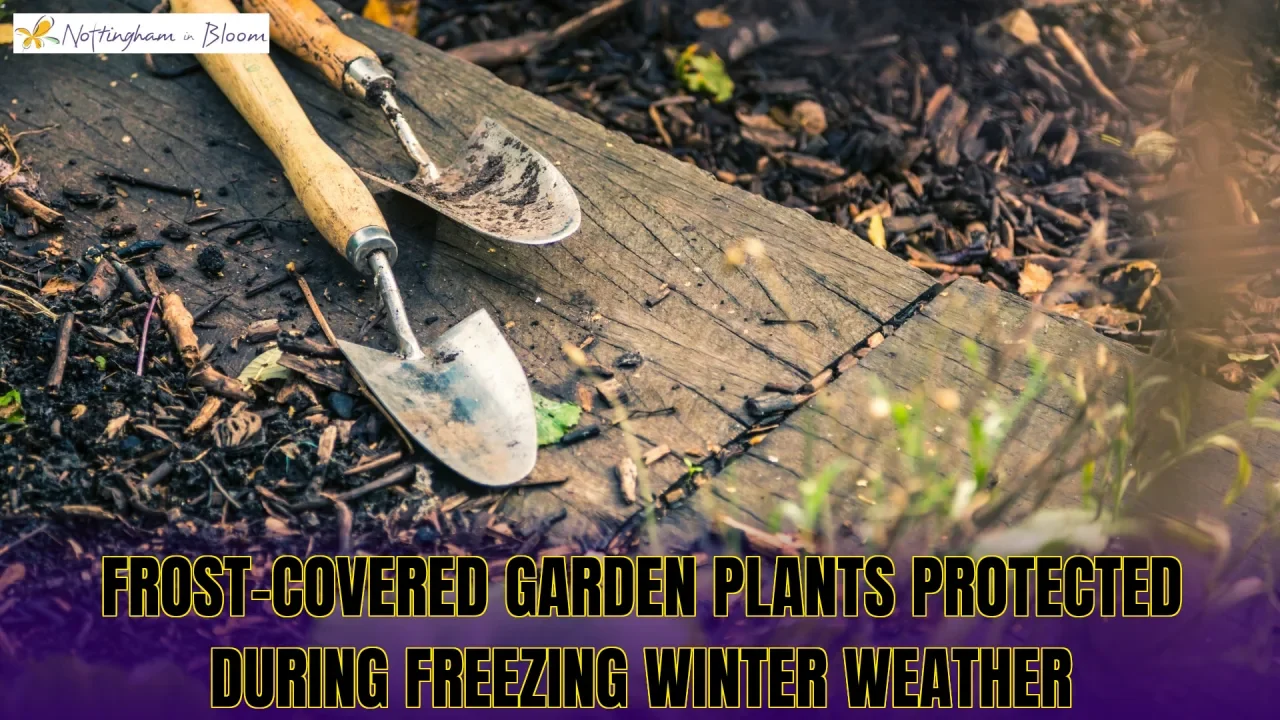
Cold snaps in the UK are becoming less predictable, so reliable winter gardening tips focus on flexibility rather than strict dates. In Nottingham and similar climates, many ornamentals and edibles can survive outdoors with the right level of protection. This section explains how to shield roots, buds and evergreen foliage, while keeping your garden looking tidy and cared for all season.
Choose hardy plants that truly match your microclimate
Before buying new plants, check their RHS hardiness rating and compare it with your typical winter lows. Front gardens, courtyards and balconies exposed to wind need tougher species than sheltered backyards. Fences, walls and even parked cars create microclimates that can add 1–2°C on clear nights. By mapping these spots, you can position borderline‑hardy plants where they stand the best chance of thriving.
Use fleece, cloches and mulches the smart way
Lightweight horticultural fleece protects tender shrubs and winter salads from sudden frosts while still letting in light and air. Cloches over rows of spinach or lettuce can raise temperatures by 2–4°C on sunny days. A 5–7 cm layer of organic mulch around perennials insulates roots, reduces freeze–thaw damage and supports soil life. Avoid piling mulch against stems, because this traps moisture and encourages rot.
Plan containers and raised beds for cold resilience
Container plants are more vulnerable because their roots freeze faster than those in open ground. Choose frost‑resistant pots, raise them on feet for drainage and group them together against a south‑facing wall. In raised beds, mix in well‑rotted compost to improve structure and water balance before the first hard frost. These simple winter gardening tips can significantly reduce winter losses in small urban spaces.
Winter gardening tips for soil health and structure
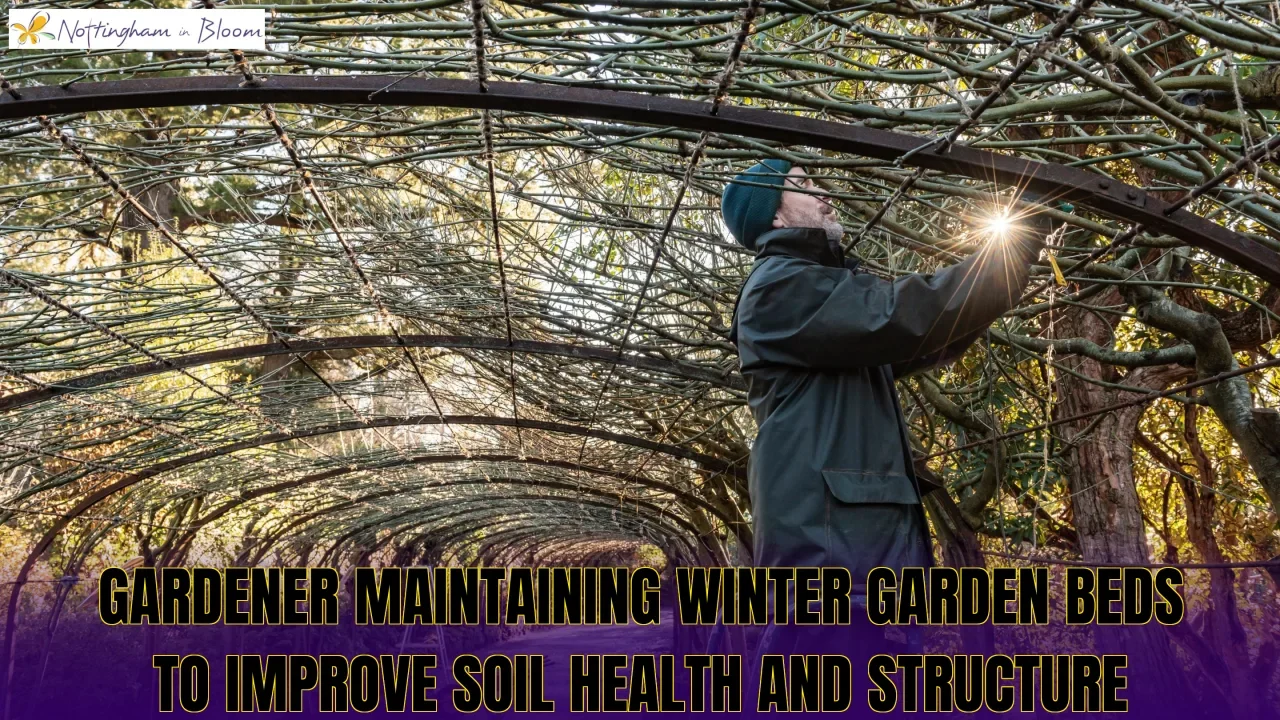
Healthy soil is the foundation of every successful garden on Nottingham in bloom, especially during the dormant season. Cold, wet months are when compaction, erosion and nutrient leaching quietly undermine next year’s growth. By focusing on organic matter, ground cover and minimal disturbance, you can build richer, more resilient beds without constant digging.
Feed the soil food web with organic matter
Apply a generous layer of compost, leaf mould or well‑rotted manure over bare beds in late autumn. Earthworms and microbes will slowly pull this material down, improving structure and nutrient availability by spring. Avoid working very wet soil, as footprints and wheelbarrows create long‑lasting compaction. These winter gardening tips support long‑term fertility while reducing the need for synthetic fertilisers.
Use green manures and cover crops wisely
Where beds would otherwise sit bare, sow hardy green manures such as winter rye, field beans or grazing rye and vetch mixes. Their roots hold soil in place, capture nutrients and support beneficial organisms through the coldest months. In late winter, cut them down and leave the residue on the surface as a mulch, or lightly incorporate it before spring sowing. This approach aligns with sustainable practices promoted across Nottingham in bloom.
Avoid over‑digging and protect soil from heavy rain
Frequent digging in winter breaks down soil structure and exposes carbon to the air, reducing long‑term fertility. Instead, adopt a no‑dig or low‑dig approach, adding organic matter on top and letting biology do the work. Use boards or stepping stones when you must walk on beds, especially after rain. Combining restraint with thoughtful cover is one of the most powerful winter gardening tips for any climate.
| Winter soil challenge | Typical cause | Practical solution |
|---|---|---|
| Compaction | Walking on wet beds, heavy machinery | Use paths, add compost, adopt no‑dig methods |
| Nutrient leaching | Heavy rain on bare soil | Sow green manures, apply organic mulches |
| Surface crusting | Rain impact on unprotected soil | Keep soil covered, reduce tillage |
| Waterlogging | Poor drainage, compacted subsoil | Improve structure, raise beds, add organic matter |
Winter gardening tips for wildlife‑friendly spaces
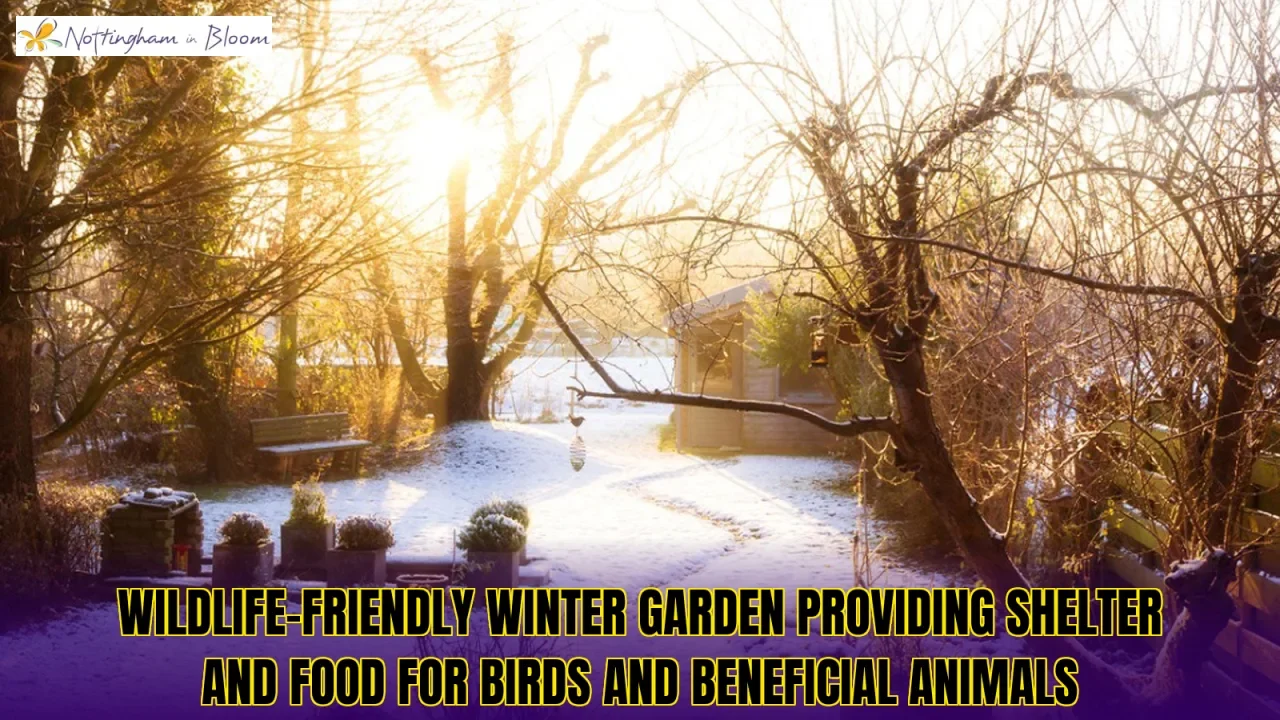
Modern winter gardening tips go beyond plants and focus on supporting birds, pollinators and beneficial insects. Even a small city garden can become a vital winter refuge when food, water and shelter are available. This section highlights simple changes that align with local environmental campaigns and the community ethos of Nottingham in bloom.
Provide food and fresh water for birds
Regular feeding helps garden birds survive cold spells and also supports natural pest control in spring. Offer a mix of seeds, suet and peanuts in different feeders to attract a diverse range of species. Refresh water daily, breaking any ice so birds can drink and bathe safely. Position feeders near shrubs or hedges, giving birds quick cover from predators and harsh weather.
Create undisturbed shelter for beneficial insects
Resist the urge to clear every dead stem and fallen leaf, as many insects overwinter in this material. Leave hollow stems of perennials like echinacea or teasel until early spring to provide safe hiding places. Log piles, rock stacks and purpose‑built bug hotels offer additional refuge for solitary bees and beetles. These wildlife‑friendly winter gardening tips also add texture and interest to otherwise quiet borders.
Choose plants that offer winter nectar and berries
Incorporate shrubs and perennials that flower or fruit between November and March to support foraging wildlife. Ivy, mahonia, winter‑flowering heather and viburnum provide nectar and pollen for late and early pollinators. Berry‑bearing plants such as holly and cotoneaster feed thrushes, blackbirds and other garden visitors. Thoughtful plant choices help every space featured on Nottingham in bloom contribute to urban biodiversity.
Conclusion
By applying these evidence‑based winter gardening tips, you protect your plants, enrich your soil and create vital habitats during the quietest months. Small, consistent actions across many gardens can transform neighbourhood streetscapes and support local climate resilience. As you explore more seasonal guides and community stories on Nottingham in bloom, you will find fresh ideas to keep your outdoor space productive and beautiful all year.
Discover how to improve garden soil for healthier plants.