
How to improve garden soil is the foundation question behind every thriving border, balcony pot, and community plot featured on Nottingham in bloom. When you understand what is happening beneath your feet, you waste less water, need fewer chemicals, and grow stronger plants. This homepage guide brings together practical local knowledge and current soil science to help you build richer, living ground in any Nottingham garden.
How to improve garden soil with smart testing and observation
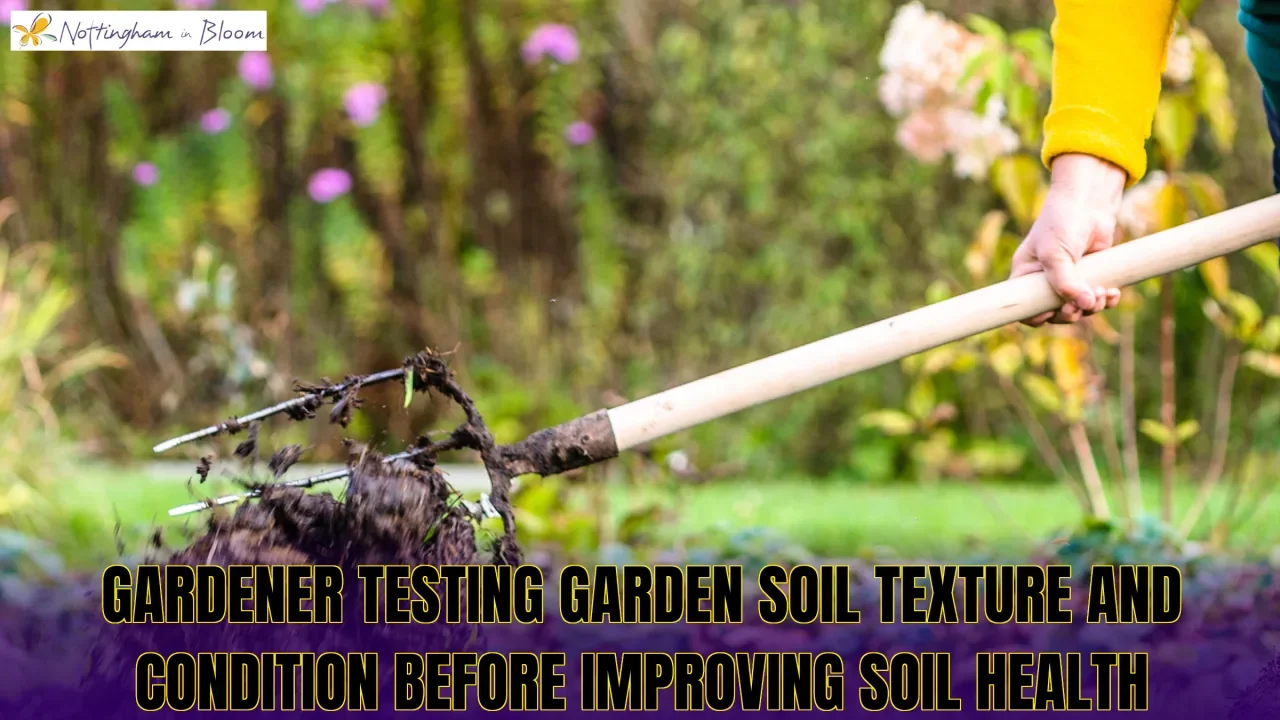
Before you change anything, you need to understand your starting point and learn how to improve garden soil based on evidence, not guesswork. Simple home tests and careful observation reveal texture, pH, drainage, and organic matter levels. From there, you can choose targeted actions that support both plant health and wider environmental goals promoted by Nottingham in bloom.
Check soil texture and structure at home
Texture tells you how much sand, silt, and clay your garden contains, which directly affects drainage and nutrient holding. To decide how to improve garden soil effectively, squeeze a moist handful; sandy soil falls apart, clay forms a tight ribbon, and loam holds together but crumbles. Nottingham gardens often mix former industrial fill with natural clays, so testing several spots helps you plan improvements for beds, lawns, and containers.
Measure pH and key nutrients accurately
Soil pH controls how easily roots access nutrients like nitrogen, phosphorus, and potassium. Use a modern home pH kit or send a sample to a UK lab for precise results, then plan how to improve garden soil according to your readings. Most ornamentals and vegetables prefer pH 6.0–7.0, while ericaceous shrubs like blueberries need more acidic ground, so adjusting pH helps you match plants to conditions and reduce fertiliser waste.
Assess drainage, compaction and organic matter
Good structure lets water drain yet hold moisture, and roots breathe without drowning. To refine how to improve garden soil in compacted city plots, dig a test hole, fill it with water, and time how long it takes to drain. Slow drainage and hard clods signal the need for organic matter, raised beds, or aeration, all of which also support urban biodiversity and reduce flash flooding after heavy rain.
How to improve garden soil using organic matter and mulches
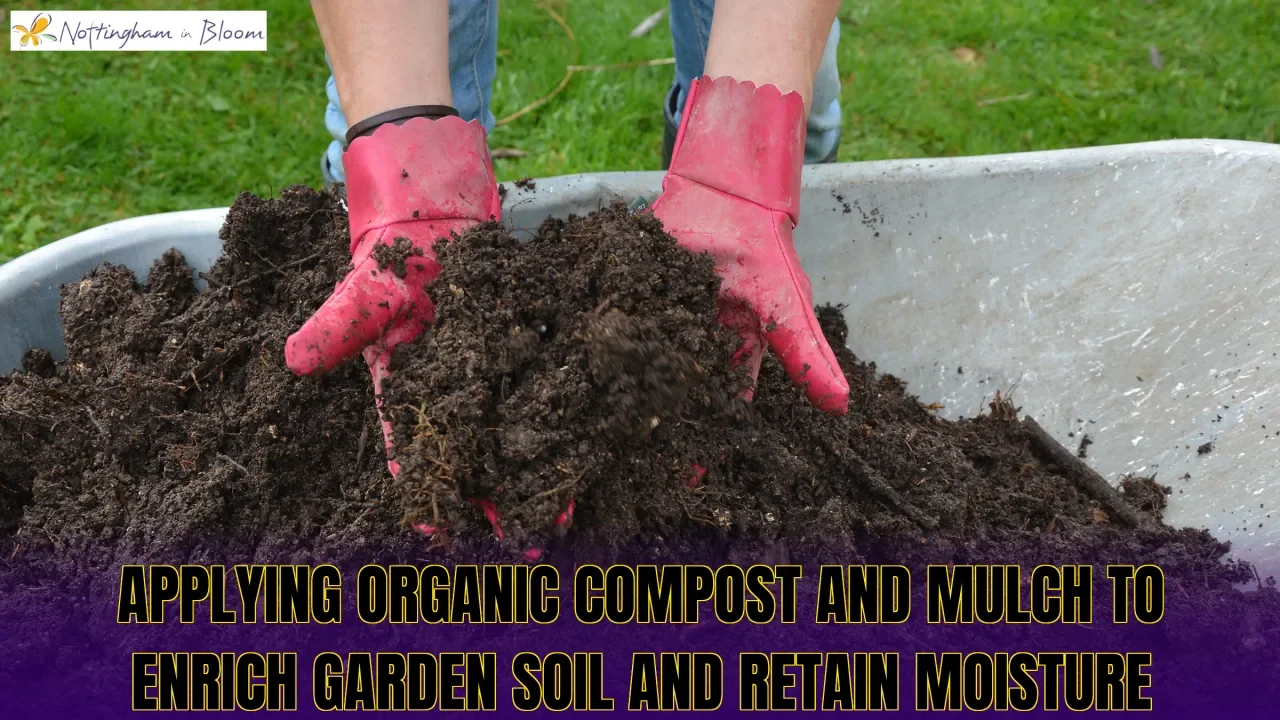
Adding organic material is the most reliable way to transform poor ground into fertile, resilient soil. This section explains how to improve garden soil with compost, well-rotted manure, leaf mould, and protective mulches that mimic natural woodland floors. These methods align with Nottingham in bloom campaigns encouraging residents to recycle garden waste and cut peat use.
Use home compost and green waste effectively
Well-made compost improves structure, feeds soil life, and releases nutrients slowly over time. When planning how to improve garden soil, spread 5–7 cm of mature compost on beds each year and lightly fork it into the top layer. Avoid burying large clumps deep down, because this can rob roots of oxygen as they break down, and always exclude diseased material or persistent weeds from your compost heap.
Choose the right mulch for each planting area
Mulching keeps moisture in, suppresses weeds, and protects soil organisms from extreme temperatures. To decide how to improve garden soil around perennials, shrubs, and trees, use wood chips, bark, or leaf mould spread in a 5 cm layer, leaving a small gap around stems. In vegetable beds, lighter mulches such as straw, grass clippings, or shredded leaves break down faster and feed worms that naturally aerate the soil.
Compare common organic amendments
Different amendments offer different benefits, so a quick comparison helps you choose wisely and refine how to improve garden soil for each bed. The table below summarises typical uses and application rates for small urban gardens, based on current UK horticultural guidance and the practical experience shared by Nottingham in bloom volunteers.
| Amendment | Main benefit | Typical annual rate | Best for |
|---|---|---|---|
| Garden compost | Improves structure, adds nutrients | 5–7 cm layer on surface | Borders, veg beds, raised beds |
| Leaf mould | Boosts moisture retention | 3–5 cm mulch | Shady beds, woodland plants |
| Well-rotted manure | High nutrient content | 2–3 cm, forked in lightly | Hungry crops like roses, brassicas |
| Wood chip | Long-lasting weed control | 5–8 cm mulch | Paths, shrub borders, trees |
How to improve garden soil for wildlife, climate and resilience
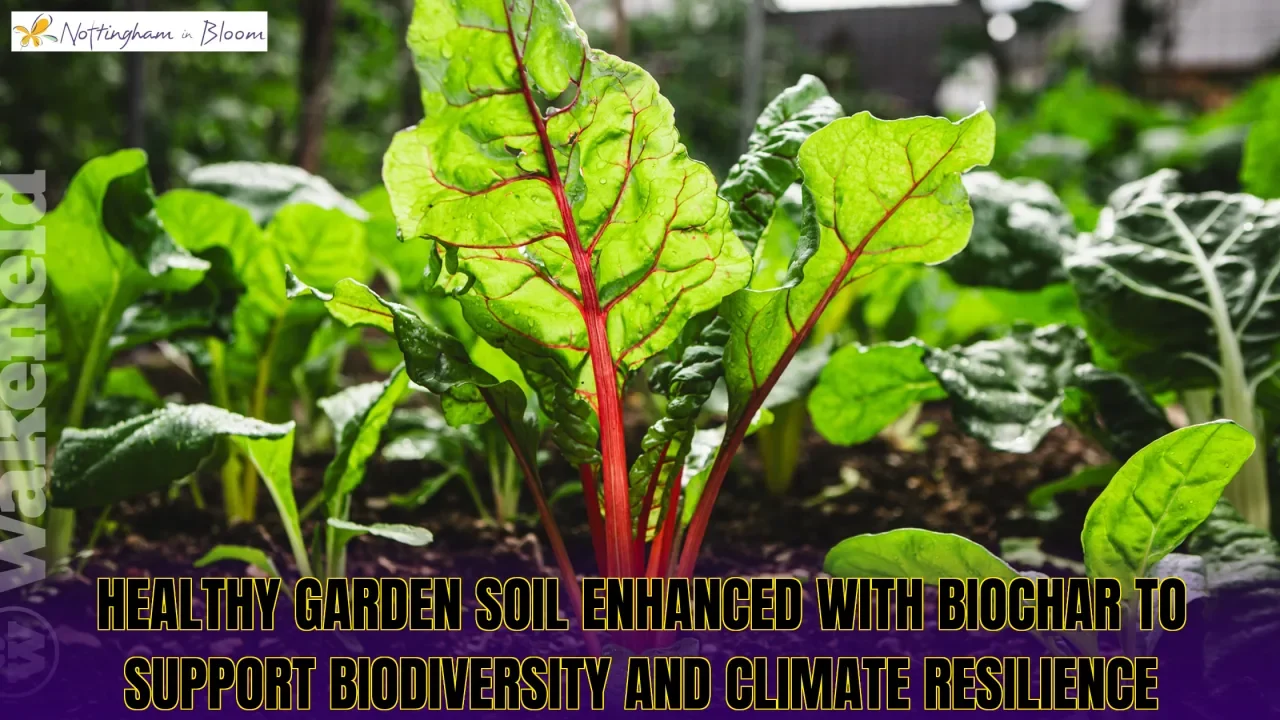
Healthy soil does more than grow pretty borders; it stores carbon, filters water, and supports pollinators. Understanding how to improve garden soil with biodiversity in mind helps every household contribute to wider climate and nature targets. This approach is central to Nottingham in bloom community projects, from school gardens to pocket parks and roadside verges.
Encourage beneficial soil organisms
Worms, beetles, fungi, and microbes create natural channels, cycle nutrients, and build stable aggregates. If you want how to improve garden soil efforts to last, reduce digging where possible, avoid broad-spectrum pesticides, and keep soil covered with plants or mulch. Over time, you will see richer crumb structure, better root growth, and reduced need for synthetic fertilisers as the living ecosystem balances itself.
Reduce chemical inputs and protect waterways
Excess fertiliser and weedkiller can leach into drains and rivers, harming aquatic life and wasting money. A smarter way of how to improve garden soil is to feed the soil, not just the plants, using slow-release organic feeds and precise spot applications. In heavy rainfall events, well-structured soil absorbs more water, cutting runoff and supporting the flood resilience goals promoted by Nottingham in bloom partners.
Plan crop rotation and green manures
Rotating crops breaks pest cycles and balances nutrient demand from year to year. To integrate how to improve garden soil into your vegetable planning, follow heavy feeders with legumes, then lighter feeders and green manures such as clover or phacelia. These cover crops protect bare soil, add organic matter when dug in or cut down, and provide nectar for pollinators well into autumn.
How to improve garden soil with simple seasonal routines
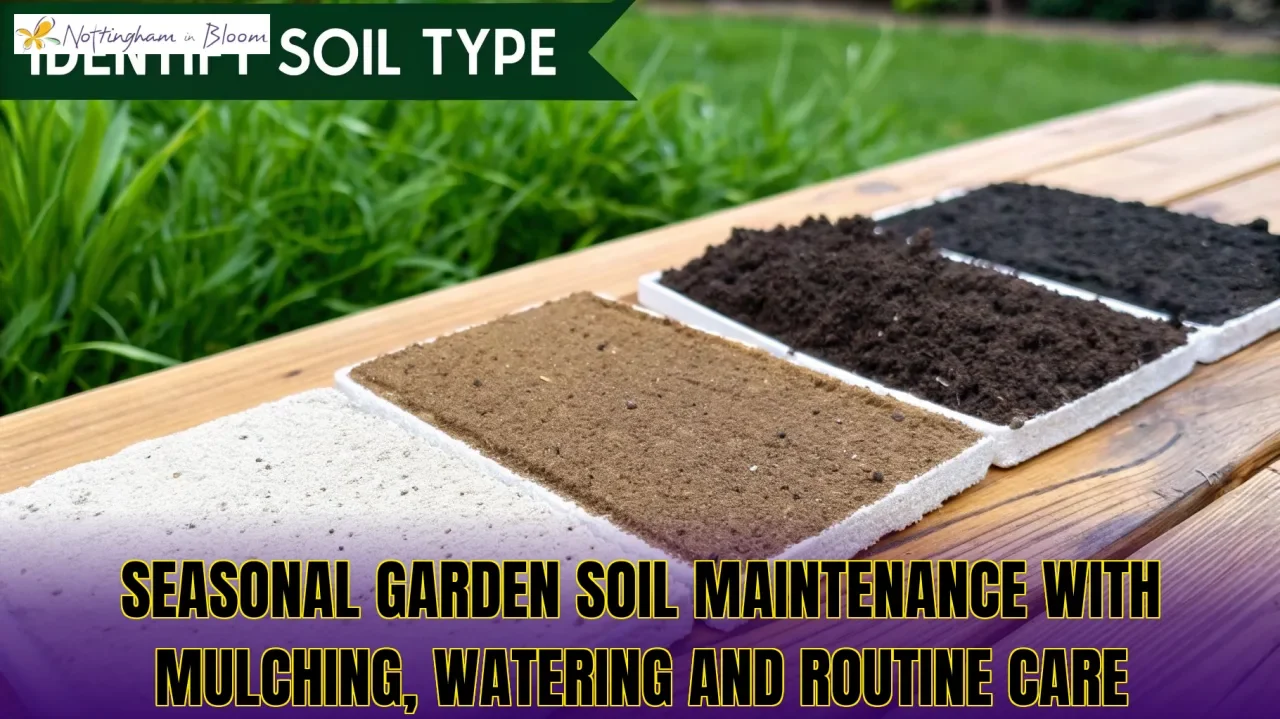
Consistent small actions through the year will transform even tired, compacted plots. Building a routine around how to improve garden soil means you avoid last-minute fixes and emergency feeding. The following practices fit busy urban lifestyles while still delivering noticeable improvements within two or three growing seasons.
Autumn and winter: build structure and protect
Autumn is the best time to focus on structure, because soil is still warm and biology remains active. To support how to improve garden soil goals, spread compost or leaf mould after clearing crops, then cover empty beds with green manures or cardboard and mulch. This protects against heavy rain, locks in nutrients, and gives worms months to pull organic matter deeper without heavy digging.
Spring: prepare gently and feed life
In spring, avoid turning beds into fine dust that washes away at the first storm. A core principle of how to improve garden soil is to disturb as little as possible, instead raking lightly, removing perennial weeds, and adding a thin top-dressing of compost. This keeps soil structure intact, provides a slow nutrient release, and creates a friable surface that is easy to plant into.
Summer: water wisely and keep soil covered
Hotter, drier summers in the UK demand smarter watering and shading strategies. To continue how to improve garden soil in dry spells, water deeply but less often, then mulch to reduce evaporation and keep roots cool. Dense planting, groundcover species, and living mulches also shade the surface, preventing crusting and supporting the micro-life that underpins long-term fertility.
Conclusion
Learning how to improve garden soil is a journey, not a single weekend project, but each season of composting, mulching, and gentle care leaves your beds richer and more alive. By following the evidence-based practices shared across Nottingham in bloom, you can grow more resilient plants, support local wildlife, and turn even the smallest yard into a thriving green space that benefits the whole community.
Discover step-by-step tips for gardening for beginners in small city spaces.