
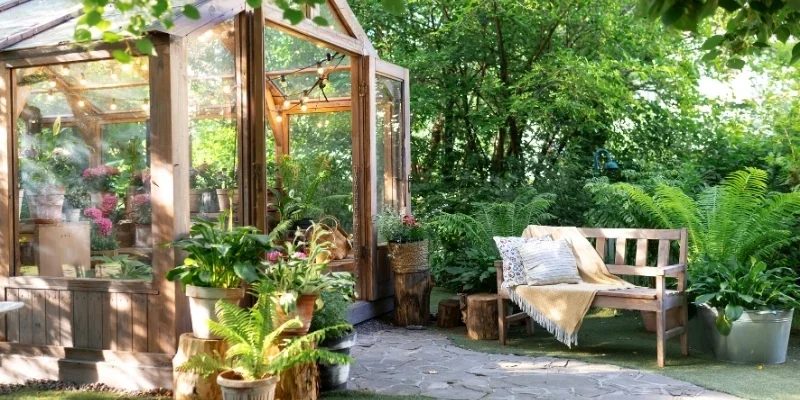
Allotments in Nottingham are designated growing spaces divided into individual plots that can be rented by individuals or households for cultivation according to specific regulations. Nottingham In Bloom helps you understand how this model operates, common plot types, possible costs, selection criteria, registration procedures, and responsibilities that need to be maintained throughout the period of use.
How allotments operate and are divided
Allotments in Nottingham are a model of shared land divided into smaller plots for individuals or groups to use for growing plants, vegetables, and maintaining green spaces. This approach combines small-scale cultivation with community activities.
Plot usage rights and cultivation scope
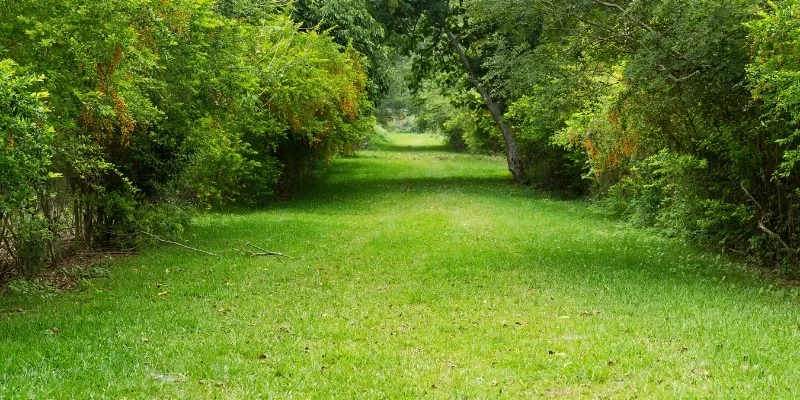
allotments in Nottingham operate through the division of shared land into separate plots assigned to individual tenants or user groups. Each plot usually has a defined area, allowing users to grow vegetables, flowers, fruit trees, or other suitable plants.
Plot usage rights are usually linked to rental agreements and shared management rules. Plot holders can design their growing area within permitted limits but must still follow allotment guidelines regarding landscape protection and maintaining the shared environment.
Shared infrastructure including water, pathways, and storage areas
allotments in Nottingham are often developed with facilities that support cultivation, such as water supplies, internal pathways, and storage areas for tools. These facilities help users care for plants more conveniently throughout different growing seasons.
Some areas may include:
- Water points for irrigation.
- Shared pathways between plots.
- Storage areas for gardening tools.
- Fences or boundaries separating different sections.
This layout allows many people to share the same space while maintaining privacy for each individual growing plot.
Responsibilities for maintaining land during rental periods
Users of allotments in Nottingham usually have a responsibility to maintain the condition of their plot throughout the period of use. The work involves not only planting crops but also caring for soil, controlling weeds, and keeping the area clean.
Maintenance may include improving soil with organic compost, rotating crops, and protecting long-term soil structure. Each tenant contributes to keeping the entire allotment area functioning effectively and supporting green space development goals.
Evaluating suitable allotments in Nottingham
Choosing suitable allotments in Nottingham depends on the required plot size, ability to maintain the space, and cultivation goals. Factors such as costs, regulations, and available facilities help determine which allotment best matches individual needs.

Choosing plot size based on growing needs
When exploring allotments in Nottingham, plot size is a factor that directly affects how the growing area can be organised. Beginners are often better suited to smaller plots that are easier to manage, while experienced growers may choose larger spaces.
The required size should be considered based on the types of plants intended for cultivation. Seasonal vegetable growing areas require different arrangements compared with spaces designed for fruit trees or combined flower and ornamental gardens.
Rental costs and additional expenses to consider
The costs of allotments in Nottingham usually include plot rental fees and expenses related to ongoing use. In addition to rent, users may need to prepare a budget for seeds, seedlings, compost, fertiliser, or gardening tools.
| Category | Details |
| Plot rental | Cost of using the growing area |
| Tools | Spades, hoes, pruning tools, and supplies |
| Plants and seedlings | Vegetables, flowers, or fruit trees |
| Soil improvement | Organic compost and additional materials |
Planning costs in advance helps users create a maintenance plan that matches their actual ability and resources.
Rules regarding plants, structures, and animals
Each allotments in Nottingham site usually has its own rules regarding permitted plants, structures that can be built, and keeping animals within the area. These regulations aim to maintain consistency and protect the shared environment.
For example, some sites may have rules about the size of small sheds, fence usage, or types of animals allowed. These regulations help balance individual needs with the shared interests of the community.
Registering correctly with Nottingham In Bloom
Nottingham In Bloom provides information about activities related to green landscapes and community participation. People interested in allotments in Nottingham can prepare the necessary information in advance to make the registration process smoother.

Preparing information before submitting a rental application
Before applying for allotments in Nottingham, prospective tenants should prepare basic information such as intended use, gardening experience, and cultivation goals. These details help identify plots that match long-term maintenance ability.
Applicants can also determine in advance what plants they want to grow, how much time they can dedicate to maintenance, and the preferred plot size. Clear preparation makes the plot selection process more effective.
Checking waiting lists and plot availability conditions
Demand for allotments in Nottingham can vary between locations, meaning some areas may operate waiting lists. Applicants should research the availability of each site and related requirements.
Information often includes plot location, allocation procedures, usage rules, and expected waiting times. Understanding these steps helps tenants plan more effectively before beginning cultivation.
Mistakes when choosing a plot beyond maintenance ability
A common mistake when using allotments in Nottingham is choosing a plot size that exceeds the ability to maintain it. Larger plots require more time for weeding, watering, soil improvement, and seasonal plant care.
Common issues include:
- Not having enough time for regular maintenance.
- Planting too many types of crops at once.
- Lacking a plan for dividing growing areas.
- Failing to maintain soil after harvest seasons.
Choosing an appropriate plot size helps users maintain a stable garden and enjoy long-term cultivation.
Conclusion
Allotments in Nottingham are more suitable when you understand plot types, costs, usage rules, registration requirements, and responsibilities for maintaining the growing space. Nottingham In Bloom helps organise the key criteria to review so you can evaluate suitable options, prepare before applying, and use cultivation spaces responsibly over the long term.