
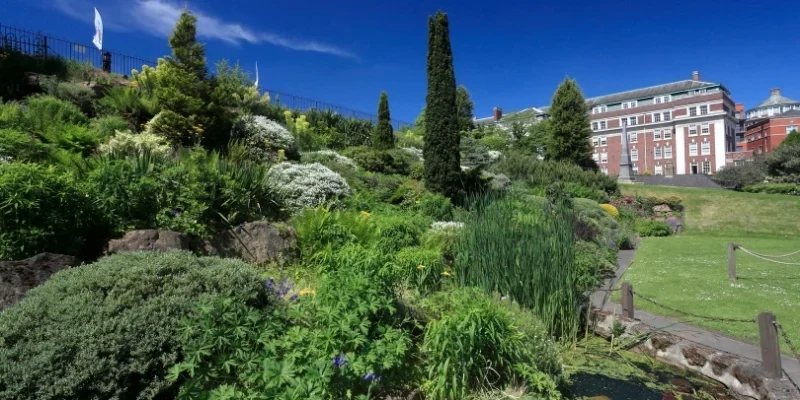
Community gardens Nottingham are green spaces where residents collectively grow plants, care for soil, and share management responsibilities. Nottingham In Bloom helps you understand how community gardens operate, common models, their value for neighbourhoods, selection criteria, and the preparation steps needed before joining practical activities.
How community gardens are formed and operated
Community gardens Nottingham are organised as shared growing spaces where land, resources, and maintenance responsibilities are distributed among participating members. This model combines gardening activities with the goal of creating greener environments for communities.
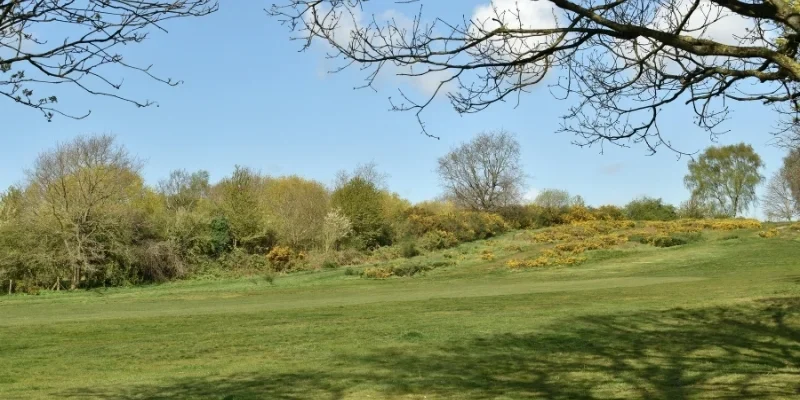
Land use rights and shared management models
community gardens Nottingham are often created on public land, land owned by local organisations, or areas converted into growing spaces. Land use rights may be managed by community groups, environmental organisations, or local authorities.
The operating model relies on cooperation between participating members. Management groups usually oversee land-use planning, area allocation, and shared guidelines to ensure the space is used effectively.
Dividing planting areas and maintenance responsibilities
Within community gardens Nottingham, growing areas are often divided into individual plots or shared sections depending on the operating model. Some gardens allocate specific areas for individuals to maintain, while others focus entirely on collective activities.
Assigning responsibilities helps maintain the stability of the garden. Members may take part in watering, planting, soil preparation, harvesting, or caring for shared green areas.
Common responsibilities include:
- Preparing soil before the planting season.
- Caring for plants and controlling weeds.
- Maintaining tools and shared facilities.
- Participating in landscape improvement activities.
Resources for maintaining soil, water, and tools
Resources are an important factor in how community gardens Nottingham operate. Gardens require water supplies, gardening tools, seeds, and supporting materials such as organic fertiliser or composting areas.
Maintenance is often based on contributions from members, community support, or local environmental programmes. These resources help gardens operate consistently across multiple growing seasons.
| Resource | Role within the garden |
| Water supply | Supports plant irrigation |
| Tools | Used for planting and maintenance |
| Seeds | Maintains plant diversity |
Evaluating suitable community gardens Nottingham
community gardens Nottingham include various forms, from food-growing areas to biodiversity conservation spaces. Understanding the characteristics of each type helps determine which model best matches different needs.
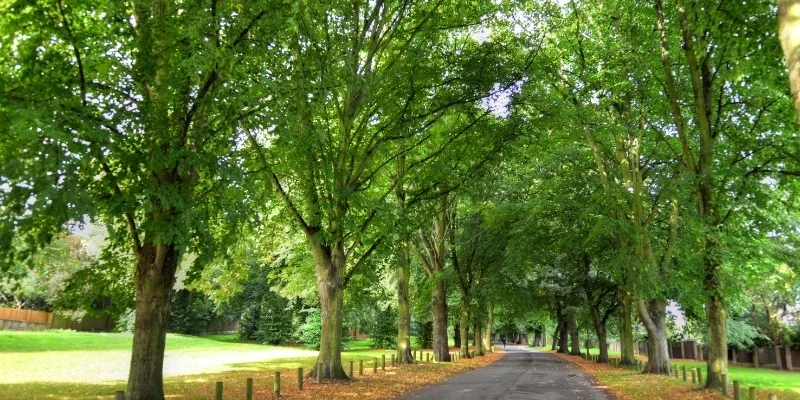
Food-growing gardens and biodiversity gardens
community gardens Nottingham can be divided into groups focused on food production or groups prioritising nature conservation. Food gardens commonly grow vegetables, herbs, and fruit plants to support everyday use.
Meanwhile, biodiversity gardens focus on creating habitats for insects, birds, and native plant species. The two models can also be combined by integrating vegetable-growing areas with flowers, shrubs, and small ecological zones.
Criteria for evaluating location and accessibility
Location directly affects participation and the long-term maintenance of community gardens Nottingham. A suitable garden usually provides convenient access, sufficient space, and appropriate sunlight conditions for plant growth.
Factors commonly considered include travel distance, water availability, soil quality, and connections with surrounding neighbourhoods. These characteristics influence how communities use the space over time.
Social and ecological values to consider
Beyond planting activities, community gardens Nottingham also create spaces for social connection and support urban environments. Gardens can become places for educational activities, gardening skill sharing, or interaction between different resident groups.
Ecological value is demonstrated through increased green space, support for biodiversity, and improved landscapes. Each garden may prioritise different goals depending on the community managing it.
Joining gardens with Nottingham In Bloom
Nottingham In Bloom introduces activities related to green spaces and community landscapes. Joining community gardens Nottingham usually begins by identifying personal goals and finding a suitable gardening model.
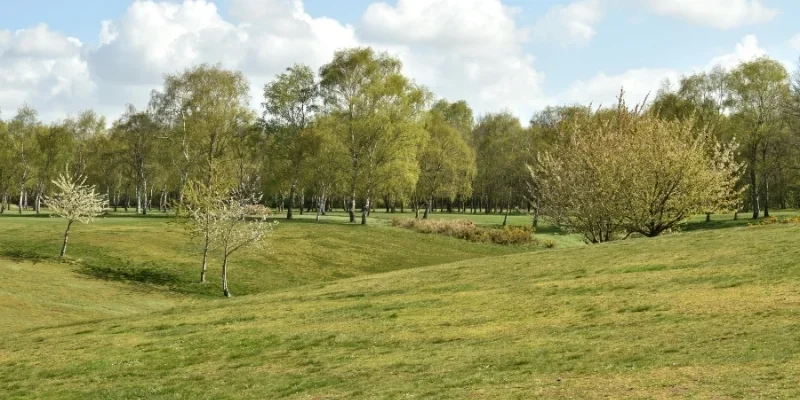
Defining goals before choosing a garden
Before joining community gardens Nottingham, interested individuals often identify their main goals, such as growing food, learning gardening skills, or participating in community activities. Each garden has its own organisation style and activity groups.
Selecting based on personal objectives helps people find suitable spaces. For example, those who want to grow vegetables may prioritise gardens with individual plots, while those interested in the environment may choose spaces focused on biodiversity.
Contact and registration process
community gardens Nottingham usually have participation processes based on contacting the management group or organisation responsible for the garden. Information to research may include opening times, land-use rules, and contribution requirements.
This process helps new members understand the shared operating system before taking part in maintenance activities. Some gardens organise introduction sessions or trial activities to familiarise newcomers with the space.
Mistakes when caring for soil and using shared spaces
During participation in community gardens Nottingham, using land correctly affects plant health and the balance of the garden ecosystem. Common issues include unsuitable watering, overcrowded planting, or poor planning when using shared areas.
Basic principles for maintaining gardens include:
- Allocating plants appropriately according to available space.
- Keeping tools and shared areas clean.
- Respecting the group’s land-use plans.
- Maintaining soil through suitable care methods.
Conclusion
Community gardens Nottingham provide value when participants understand management models, the purpose of each garden, accessibility conditions, and shared maintenance responsibilities. Nottingham In Bloom helps organise the key criteria to consider so you can make suitable choices, prepare properly, and participate in community activities responsibly.