
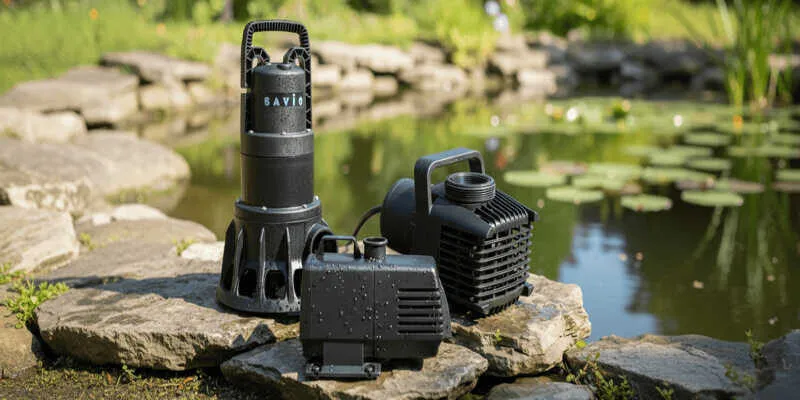
How to choose a pond water pump stands as a critical technical decision for backyard enthusiasts aiming to establish clear, highly oxygenated aquatic environments within their private residential landscapes. Correctly calculating mechanical circulation requirements ensures that your filtration systems operate at maximum efficiency while preventing dangerous toxic gas buildups near delicate root systems.
Fundamental volumetric calculations regarding how to choose a pond water pump
Selecting the ideal mechanical circulation device requires a precise understanding of your total aquatic volume and necessary hourly turnover rates.
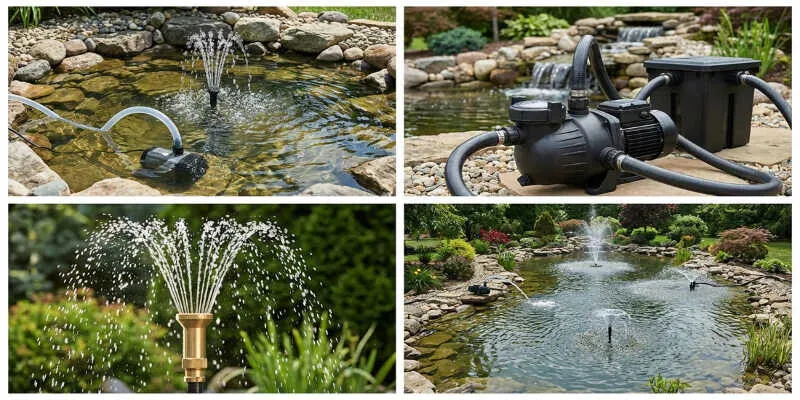
Calculating total pool volume accurately
Determining the exact water capacity of your backyard basin forms the indispensable primary step when learning how to choose a pond water pump model. Homeowners must multiply the internal length, width, and average depth measurements together before multiplying the result by a standard volumetric conversion factor. This critical calculation prevents people from purchasing weak machinery that fails to move heavy fluid volumes adequately across complex multi-tiered garden layouts.
Assessing optimal hourly flow rate metrics
Horticultural engineering standards dictate that standard backyard pools require their entire liquid volume to pass through a mechanical filter once every two hours. When analyzing how to choose a pond water pump, you must verify the gallons per hour rating displayed on the manufacturing label. Selecting a circulation mechanism that matches or exceeds this baseline standard guarantees continuous aeration, keeping your aquatic features looking pristine.
Factoring in friction loss from structural pipe components
Fluid movement experiences natural resistance when passing through narrow flexible plastic hoses, sharp elbows, and elevated decorative waterfall filters. Disregarding this mechanical resistance represents a common mistake when studying how to choose a pond water pump configurations for home yards. Choosing a slightly stronger motor compensates for this vertical lift loss, ensuring that your filtration network maintains optimal pressure levels.
Mechanical operational variations when analyzing how to choose a pond water pump
Understanding the distinct engineering differences between varied mechanical equipment lines allows backyard conservationists to select highly efficient hardware.
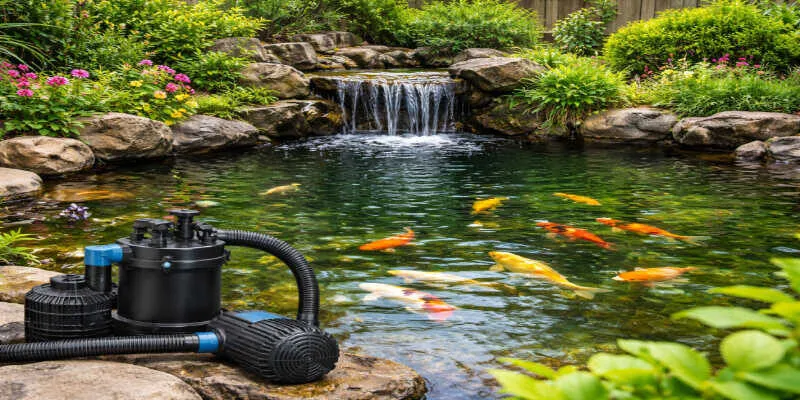
Submersible mechanical devices offer seamless installation
Submersible mechanical setups operate completely beneath the water film, sitting directly at the deepest point of your backyard basin floor. Learning how to choose a pond water pump with underwater housing options simplifies initial landscape design tasks because the machinery remains hidden. These internal motors function with exceptional silence, making them ideal choices for peaceful courtyard relaxation zones and miniature patio setups.
External centrifugal systems deliver exceptional longevity
External filtration units reside completely outside the aquatic perimeter, drawing liquid through heavy-duty suction lines hidden beneath decorative perimeter stones. Property owners evaluating how to choose a pond water pump for expansive multi-tiered waterscapes frequently favor these powerful commercial-grade external systems. These surface-installed motors handle massive hourly volumes effortlessly while allowing gardeners to execute routine physical maintenance tasks without getting wet.
Solar powered circulation setups maximize resource conservation
Utilizing clean photovoltaic energy allows modern eco-conscious property owners to drive continuous surface aeration without increasing monthly household utility company bills. Evaluating how to choose a pond water pump with independent solar panels represents an excellent blueprint for remote allotment properties lacking grid access. These smart systems operate dynamically in harmony with direct midday solar rays, precisely when oxygen demands peak naturally.
Strategic filtration integration criteria for modern aquatic backyards
Integrating a mechanical circulation device with appropriate biological processing units represents a critical cornerstone of maintaining excellent water quality.
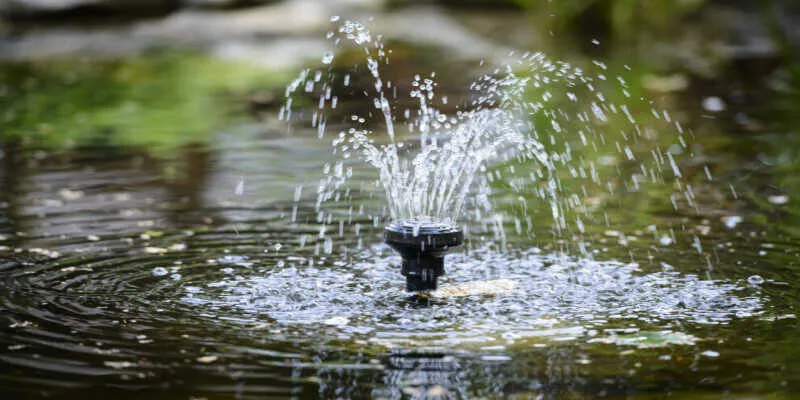
Matching pump flow with filter capacity constraints
Forcing massive fluid volumes through tiny biological containers destroys helpful bacterial colonies that process toxic fish waste products naturally. Homeowners must analyze how to choose a pond water pump that aligns perfectly with the strict maximum pressure ratings of their canisters. This careful synchronization prevents expensive structural leaks while allowing organic sponge layers to catch microscopic suspended debris particles efficiently.
Managing large organic debris particles safely
Falling autumn leaves, detached twigs, and decaying weed fragments can quickly clog primitive mechanical impellers, causing severe motor burnouts. Discovering how to choose a pond water pump featuring robust solid-handling capabilities minimizes the necessity for daily manual cleaning chores. These specialized vortex impellers pass large organic debris fragments directly to external multi-stage filters without experiencing internal mechanical blockages.
Creating breathtaking multi tiered waterfall displays
Driving water up steep rock inclines demands significant pressure capabilities to maintain consistent, visually impressive liquid sheets. Analyzing how to choose a pond water pump with adequate maximum head height ratings ensures that your ornamental streams flow vigorously. This elevated water movement aids atmospheric gas exchange, introducing valuable dissolved oxygen molecules back into the underlying pool naturally.
Long term electrical efficiency and safety considerations for residential backyards
Operating mechanical circulation systems continuously across different seasons demands a thorough analysis of energy consumption metrics and safety protocols.
Evaluating annual kilowatt hour energy expenses
Running a high-wattage motor continuously throughout the year can accumulate significant financial expenses on your residential energy statements. Smart consumers researching how to choose a pond water pump prioritize advanced magnetic-drive motors that utilize minimal electrical current. These modern energy-efficient designs cut operational expenses drastically while delivering the exact same fluid circulation performance as older models.
Installing mandatory ground fault circuit interrupters
Mixing high-voltage electrical currents with large open bodies of water demands strict adherence to contemporary municipal safety guidelines. Property owners learning how to choose a pond water pump must ensure that all power feeds utilize dedicated safety breakers. These hyper-sensitive protective devices instantly disconnect electrical currents during minor insulation failures, completely preventing dangerous accidental shocks.
Implementing automated low water cutoff switches
Severe summer droughts or hidden plumbing leaks can cause water lines to drop below safe operating levels unexpectedly. Discovering how to choose a pond water pump equipped with internal thermal sensors prevents expensive machinery from running completely dry. These automated cutoff systems preserve motor components from destructive overheating issues, ensuring that your green investments endure for decades.
Conclusion
Understanding how to choose a pond water pump empowers modern property owners to maintain pristine, highly biodiverse aquatic ecosystems with absolute technical precision. By calculating total volumetric capacities, selecting energy-efficient magnetic-drive motors, and integrating robust solid-handling filtration setups, citizens protect vital regional wildlife habitats. These successful backyard engineering projects continuously enhance the collective environmental health of our neighborhoods, beautifully reflecting the sustainable spirit championed across Nottingham In Bloom.